Japan in Focus – On Rails

Mar 17
4 min read
Updated: Mar 29

Trains define the urban landscape, woven into the cultural fabric of Japanese society.
Japan’s railway network, a marvel of infrastructure and engineering, is a testament to the nation’s dedication to efficiency and meticulous city planning. More than just a transportation system; it is the backbone of the city’s urban development. The integration of rail transit with city planning has been a crucial aspect of Tokyo’s growth.
The city’s rail network comprises subway lines in the central area, private railways in the suburban areas, and Japan Railway (JR) lines covering both central and suburban regions. This extensive network supports the seamless movement of millions of people daily, underscoring the importance of trains and rail commuting in the lives of the Japanese people.
"Marunouchi is a splendid blend of historical architecture and modern convenience." — Yukio Mishima

At the heart of this network is Tokyo Station, with its Marunouchi Building façade designed by the eminent architect Kingo Tatsuno. Completed in 1914, this iconic structure features a red-brick exterior reminiscent of European Renaissance architecture, symbolizing Japan’s embrace of modernization during the Meiji Era. The station’s design blends Western and Eastern elements, showcasing Tatsuno’s expertise in integrating Japanese aesthetics with Western styles.
It stands not only as a transportation hub but also a cultural landmark, representing Japan’s enduring respect for its history. The Marunouchi side of the station, with its distinctive domes and intricate detailing, has been meticulously preserved and restored. This architectural masterpiece stands as a testament to Japan’s journey through modernization while maintaining a deep connection to its historical roots.


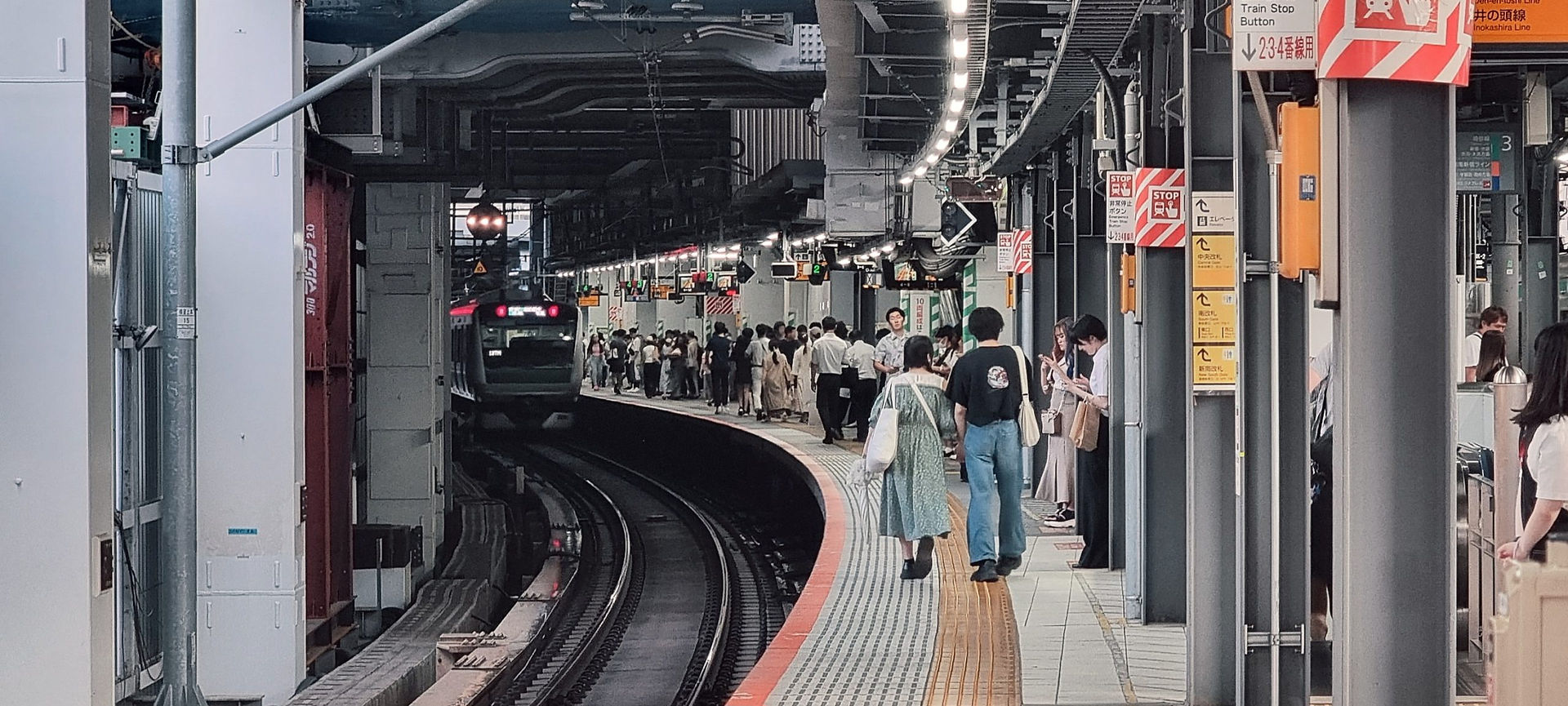
Commuting by train in Tokyo is an integral part of daily life for millions of residents and a quintessential experience for visitors. A labyrinth of lines that punctuates the rhythm of urban life in Japan.
Arteries of the nation's vibrant economy, a seamless fusion of precision and reliability.
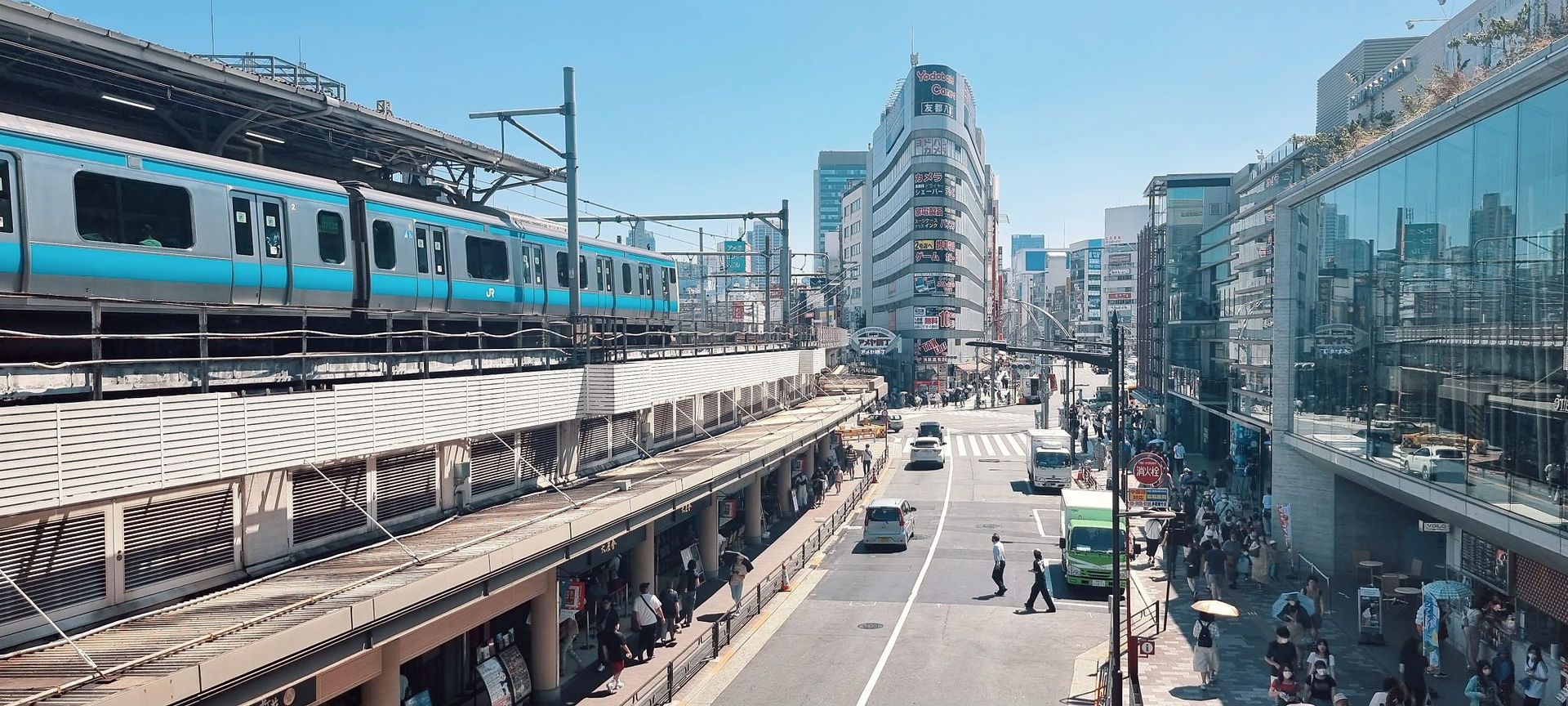
The experience of traversing Tokyo via its railways is not merely about getting from point A to point B; it’s a journey through the heart of the city’s disciplined and orderly soul. Each station connects to a network of local lanes and alleys, leading to neighbourhoods that thrive within the infrastructure of the network itself.
These areas are bustling with the human energy driving Tokyo’s densely compact and efficient polycentric hubs, which include workspaces, offices, coworking spaces, hospitality venues, restaurants, and shops arranged in an orderly symphony. Each ward within Tokyo functions as a city in itself, showcasing the meticulous planning and engineering that underpin Tokyo’s ability to move people efficiently.


One of the quintessential experiences in Japan is the Shinkansen, or bullet train. These high-speed trains epitomize Japan’s innovative approach to transportation, slicing through the landscape at breath-taking speeds and embodying the fusion of function and form. Linking metropolitan centres with regional stations, offering passengers a glimpse into Japan’s tranquil rural life where the pace slows, stations blending seamlessly with the natural landscape. Often quaint and steeped in local character, serving as gateways to Japan’s scenic beauty.
Tokyo, with its towering skyscrapers and bustling streets, pulses with energy and modernity.
Traveling by train in Japan offers a window into the soul of the landscape, where scenic beauty unfolds with every mile and the rhythm of the rails tells a story of tradition meeting modernity. A cultural institution reflecting punctuality, technological advancement, and commitment to service. Riding the Shinkansen is not just about speed; it’s about experiencing Japanese ingenuity and respect for time.
As a model of sustainability and resource efficiency. The city’s urban planning is deeply intertwined with its rail infrastructure, fostering a compact city design that limits urban sprawl and promotes efficient resource use. The Tokyo Metropolitan Government has implemented strategies that integrate various infrastructures, such as water supply and waste management, into a cohesive system. This approach enhances the resilience and sustainability of the city’s urban environment, ensuring that resources are used efficiently and effectively.


In the crucial role in disaster preparedness and response. The rail network’s design incorporates features to withstand natural disasters, which is vital given Japan’s susceptibility to earthquakes and other natural calamities. This forward-thinking approach to infrastructure design not only enhances the safety of the city’s residents but also ensures the continuous operation of vital transport services during emergencies.
In Japan, the trains are so precise, you can set your watch by them.
With its unmatched scope and efficiency, is a lifeline for its people, shaping daily life and national identity. The Japanese rail network is a symbol of the country’s relentless pursuit of excellence and a testament to how infrastructure can transcend its utilitarian purpose to become a cultural cornerstone. Pulsating with life, the railway network facilitates not just the movement of people but also the circulation of goods, ideas, and trends, playing a pivotal role in the Japanese experience.

The seamless integration of rail infrastructure into the cityscape of Tokyo and beyond is a shining example of advanced design and forward-thinking city planning, showcasing the importance of trains and rail commuting in the lives of the Japanese people.
Author & Photographer - Jesse Hayes | September 2023


